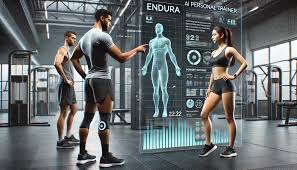
Artificial intelligence is rapidly reshaping the global fitness and health industry. From personalized training programs and smart wearable devices to predictive health monitoring and AI-powered coaching platforms, technology is changing how individuals approach wellness and how businesses deliver health and fitness services.
The shift toward digital wellness solutions has accelerated significantly in recent years. Fitness apps, virtual training platforms, and connected health ecosystems are generating massive volumes of data related to user behavior, physical activity, nutrition, sleep patterns, and health indicators. Artificial intelligence enables organizations to analyze this data and transform it into actionable insights that improve user experiences and business outcomes.
However, implementing AI within fitness and health platforms is not simply about adopting new technology. Successful deployment requires strategic planning, data infrastructure, and specialized expertise. For this reason, many fitness brands, wellness startups, and healthcare technology providers increasingly rely on AI consulting services to guide their AI transformation strategies.
This article explores how AI is transforming the fitness and health industry, the business opportunities it creates, and why consulting expertise is often essential for effective AI implementation.
The Growing Role of AI in the Fitness and Health Ecosystem
The global fitness and wellness industry has evolved from traditional gym memberships into a complex digital ecosystem. Mobile apps, wearable technology, telehealth platforms, and virtual training systems now play a major role in how people manage their health and fitness routines.
Artificial intelligence sits at the center of this transformation because it enables businesses to process and interpret massive datasets generated by digital health tools. By applying machine learning algorithms, fitness platforms can identify behavioral patterns, generate personalized recommendations, and deliver real-time feedback to users.
For businesses operating in this sector, AI is no longer just an experimental technology. It has become a competitive advantage that allows organizations to offer smarter, more adaptive, and more engaging health services.
Key AI Applications in the Fitness and Health Industry
Artificial intelligence supports a wide range of use cases across the fitness and healthcare landscape. These applications are helping businesses create innovative products, improve service delivery, and build stronger customer relationships.
Personalized Fitness Programs
Personalization is one of the most valuable applications of AI in fitness platforms. Traditional workout programs often follow standardized routines that may not align with individual goals, body types, or physical capabilities.
AI-powered systems can analyze a user’s:
- Fitness goals
- Activity history
- Body composition
- Recovery metrics
- Performance trends
Using this data, algorithms generate customized workout plans that adapt over time. As users complete workouts and record progress, the system continuously refines recommendations to improve results.
This level of personalization enhances user satisfaction and increases the likelihood that individuals will maintain long-term engagement with fitness programs.
AI-Powered Health Monitoring
Wearable devices such as fitness trackers and smartwatches have become common tools for monitoring health metrics. These devices collect data on heart rate, step count, sleep quality, oxygen levels, and physical activity.
Artificial intelligence plays a crucial role in interpreting this data. Instead of simply presenting raw metrics, AI systems can detect patterns that indicate potential health risks or performance improvements.
For example, AI models can identify:
- Signs of fatigue or overtraining
- Irregular heart rate patterns
- Reduced recovery rates
- Changes in physical activity trends
By detecting these signals early, AI-powered platforms can provide alerts or recommendations that help users maintain healthier routines.
Smart Nutrition and Diet Planning
Nutrition plays a critical role in both fitness performance and overall health. AI-driven platforms can analyze dietary habits, metabolic profiles, and fitness goals to generate personalized meal recommendations.
These systems consider factors such as:
- Caloric requirements
- Allergies and dietary restrictions
- Macronutrient balance
- Fitness objectives such as weight loss or muscle gain
Some advanced nutrition platforms also integrate with grocery services and food tracking apps to simplify meal planning and nutritional tracking.
For businesses, AI-powered nutrition guidance creates opportunities to offer comprehensive wellness services that extend beyond workout routines.
Virtual Fitness Coaches and AI Chatbots
Another emerging trend is the use of AI-powered virtual fitness coaches. These digital assistants interact with users through conversational interfaces and provide guidance during workouts or daily health routines.
AI fitness assistants can:
- Demonstrate exercise techniques
- Provide real-time feedback during workouts
- Answer health and fitness questions
- Offer motivation and reminders
For digital fitness platforms, these capabilities significantly enhance user engagement and make services more accessible to individuals who may not have access to personal trainers.
Predictive Analytics for Health and Wellness Platforms
Artificial intelligence also enables predictive analytics within the fitness industry. By analyzing historical data, AI systems can forecast future outcomes and provide strategic insights.
Examples include:
- Predicting user churn for fitness apps
- Identifying injury risks based on training intensity
- Forecasting demand for gym classes or training programs
- Analyzing workout performance trends
These insights help businesses optimize their services, improve retention, and make data-driven operational decisions.
Business Benefits of AI Adoption in Fitness and Health
For companies operating in the fitness and wellness sector, AI adoption can generate significant business value. Organizations that successfully integrate AI technologies can enhance their services while improving operational efficiency.
Enhanced User Engagement
Personalized experiences play a major role in customer satisfaction. AI-driven recommendations allow fitness platforms to deliver highly relevant workouts, health insights, and coaching support.
Users are more likely to remain engaged when their fitness programs adapt to their progress and evolving goals.
Improved Coaching and Training Insights
Fitness trainers and wellness professionals can use AI-powered analytics to monitor client performance more effectively. Data insights help coaches design better training programs and track progress with greater precision.
This data-driven approach enhances the quality of coaching services and strengthens client relationships.
Operational Efficiency
Artificial intelligence can automate many administrative tasks within fitness organizations. AI tools can manage scheduling, analyze membership trends, and optimize resource allocation within gyms or wellness centers.
Automation reduces operational costs and allows staff to focus on delivering higher-value services.
New Revenue Opportunities
AI technologies enable businesses to develop innovative products and services, including:
- Premium digital coaching subscriptions
- Personalized wellness programs
- Corporate wellness solutions
- Remote fitness training platforms
These offerings open new revenue streams while expanding the reach of fitness businesses beyond physical locations.
Challenges of Implementing AI in Fitness and Health Platforms
Despite its potential benefits, implementing AI within health and fitness systems presents several technical and operational challenges.
Data Integration
Fitness platforms often collect data from multiple sources such as wearable devices, mobile apps, and health records. Integrating these datasets into a unified system can be complex.
Privacy and Security
Health and fitness data is highly sensitive. Organizations must ensure strong data protection practices and comply with privacy regulations when building AI-driven health platforms.
Model Accuracy and Training
AI models require high-quality data for accurate predictions. Incomplete or inconsistent datasets can affect the reliability of AI recommendations.
Infrastructure Requirements
Developing AI-powered platforms requires robust infrastructure, including data pipelines, machine learning frameworks, and scalable computing environments.
Because of these complexities, many organizations face difficulties when attempting to build AI solutions internally without specialized expertise.
Why Fitness and Health Businesses Should Work with AI Consultancy Partners
To address these challenges, many companies collaborate with experienced AI consulting services that specialize in designing and implementing artificial intelligence solutions.
Consulting experts help organizations move from experimentation to full-scale AI deployment.
AI Strategy Development
Before implementing AI, businesses must identify the most valuable use cases. AI consultants evaluate existing processes, data assets, and technology infrastructure to determine where artificial intelligence can deliver the greatest impact.
A clear strategy helps companies prioritize investments and avoid costly development mistakes.
Data Architecture and Infrastructure Design
Successful AI systems require well-structured data environments. Consulting teams assist businesses in building secure and scalable data pipelines that support machine learning workflows.
This foundation is essential for maintaining reliable AI performance over time.
AI Model Development and Integration
Developing AI algorithms and integrating them into existing platforms can be technically demanding. AI specialists provide expertise in machine learning, natural language processing, and predictive analytics.
Their involvement helps ensure that AI models are optimized for performance, scalability, and accuracy.
Compliance and Ethical AI Deployment
Health-related data is subject to strict regulatory standards. Consulting professionals guide organizations through compliance requirements and help establish ethical AI practices that protect user privacy and data security.
The Future of AI in Fitness and Wellness
The influence of artificial intelligence in the fitness and health industry will continue to grow as technology evolves. Future innovations are likely to include more advanced AI capabilities such as:
- Real-time biometric analysis during workouts
- AI-powered injury prevention systems
- Mental health monitoring tools
- Adaptive digital fitness coaches
- Smart gym equipment powered by machine learning
As AI models become more sophisticated, fitness and health platforms will be able to deliver increasingly personalized and proactive wellness experiences.
Organizations that invest in AI-driven technologies today will be better positioned to compete in the rapidly evolving digital health landscape.
Conclusion
Artificial intelligence is transforming the fitness and health industry by enabling personalized wellness programs, predictive health monitoring, and data-driven coaching experiences. For businesses, AI creates opportunities to improve customer engagement, optimize operations, and develop innovative health services.
However, deploying AI solutions within fitness and health platforms requires more than simply adopting new software. Successful implementation involves careful planning, strong data infrastructure, and specialized technical expertise.
For this reason, many organizations turn to experienced AI consulting partners to guide their AI adoption strategies. With the right consulting support, fitness and health businesses can unlock the full potential of artificial intelligence and build the next generation of intelligent wellness platforms.
No Responses