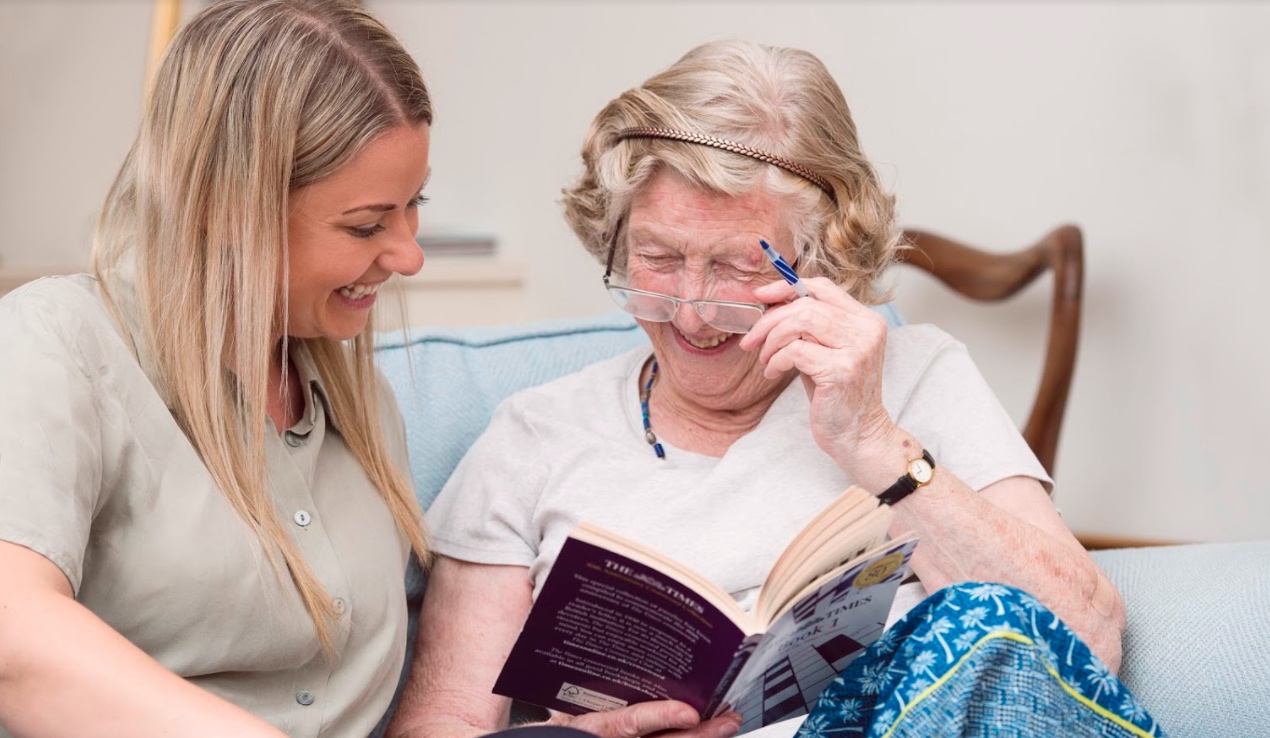
Private care at home has become an essential solution for individuals who require assistance but prefer to remain in the comfort and familiarity of their own homes. It is widely used for elderly individuals, people recovering from surgery, and those living with chronic illnesses or disabilities. Unlike institutional care, private home care offers a personalized approach tailored to each individual’s unique needs.
This article outlines the key services typically included in private care at home, helping families understand what to expect when arranging support.
What Is Private Care at Home?
Private care at home refers to professional support services delivered in a person’s residence. These services can be arranged on a flexible basis, from a few hours per week to full-time or live-in care. The primary goal is to maintain independence, improve quality of life, and ensure safety while receiving necessary assistance.
Personal Care Services
Personal care is a fundamental component of home care services. It focuses on helping individuals with daily activities that may become difficult due to age, illness, or limited mobility.
Common personal care services include assistance with bathing, grooming, dressing, and toileting. Caregivers may also provide support with mobility, such as helping individuals move safely around the home or preventing falls. These services are delivered with sensitivity and respect, ensuring the individual’s dignity is maintained at all times.
Meal Preparation and Nutritional Support
Proper nutrition is vital for maintaining health and supporting recovery. Private care at home often includes meal planning and preparation tailored to the individual’s dietary needs.
Caregivers may prepare fresh meals, assist with feeding if necessary, and monitor food and fluid intake. They can also accommodate specific dietary requirements, such as diabetic, low-sodium, or culturally appropriate diets. This support helps ensure consistent and balanced nutrition.
Household and Domestic Assistance
Maintaining a clean and organized living environment can be challenging for individuals with physical limitations. Private home care services often include light housekeeping tasks to ensure the home remains safe and comfortable.
These tasks typically include cleaning, laundry, dishwashing, and basic home organization. Caregivers may also assist with grocery shopping and running errands, allowing individuals to focus on their well-being without added stress.
Medication Support
Managing medications correctly is critical, particularly for individuals with multiple prescriptions. Private care at home often includes assistance with medication routines.
Caregivers may provide reminders to take medication on time, help organize prescriptions, and ensure that instructions are followed accurately. While they do not usually administer medication unless qualified to do so, their support significantly reduces the risk of missed doses or errors.
Companionship and Emotional Support
In addition to physical care, emotional well-being is a key aspect of overall health. Many individuals receiving home care benefit from regular social interaction and companionship.
Caregivers provide conversation, engage clients in activities, and encourage participation in hobbies or light exercise. They may also accompany individuals on walks or to appointments. This interaction helps reduce feelings of loneliness and promotes mental well-being.
Specialized Care Services
Some individuals require more advanced care tailored to specific health conditions. Private care providers often offer specialized services delivered by trained caregivers.
These services may include support for individuals with dementia or Alzheimer’s disease, post-operative care, disability assistance, and palliative or end-of-life care. Specialized care is designed to address complex needs while maintaining comfort and dignity.
Live-In and 24-Hour Care
For individuals who require continuous supervision or support, private care can be arranged on a full-time basis. Live-in care involves a caregiver residing in the home, while 24-hour care typically involves rotating shifts of caregivers.
This level of support ensures that assistance is always available, providing reassurance for both the individual and their family.
Support for Families
Private care at home also benefits family members who may be acting as primary caregivers. Professional support can reduce physical and emotional strain, allowing families to focus on maintaining their relationship with their loved one.
Respite care services provide temporary relief, while regular communication from caregivers keeps families informed about the individual’s condition and needs.
Conclusion
Private care at home offers a comprehensive range of services designed to support individuals in a safe, familiar environment. From personal care and meal preparation to companionship and specialized medical support, these services are tailored to enhance independence and quality of life.
When choosing a provider, it is important to consider the level of care required, the qualifications of caregivers, and the ability to create a personalized care plan. With the right support in place, private care at home can be a highly effective and compassionate solution for long-term care needs.
No Responses