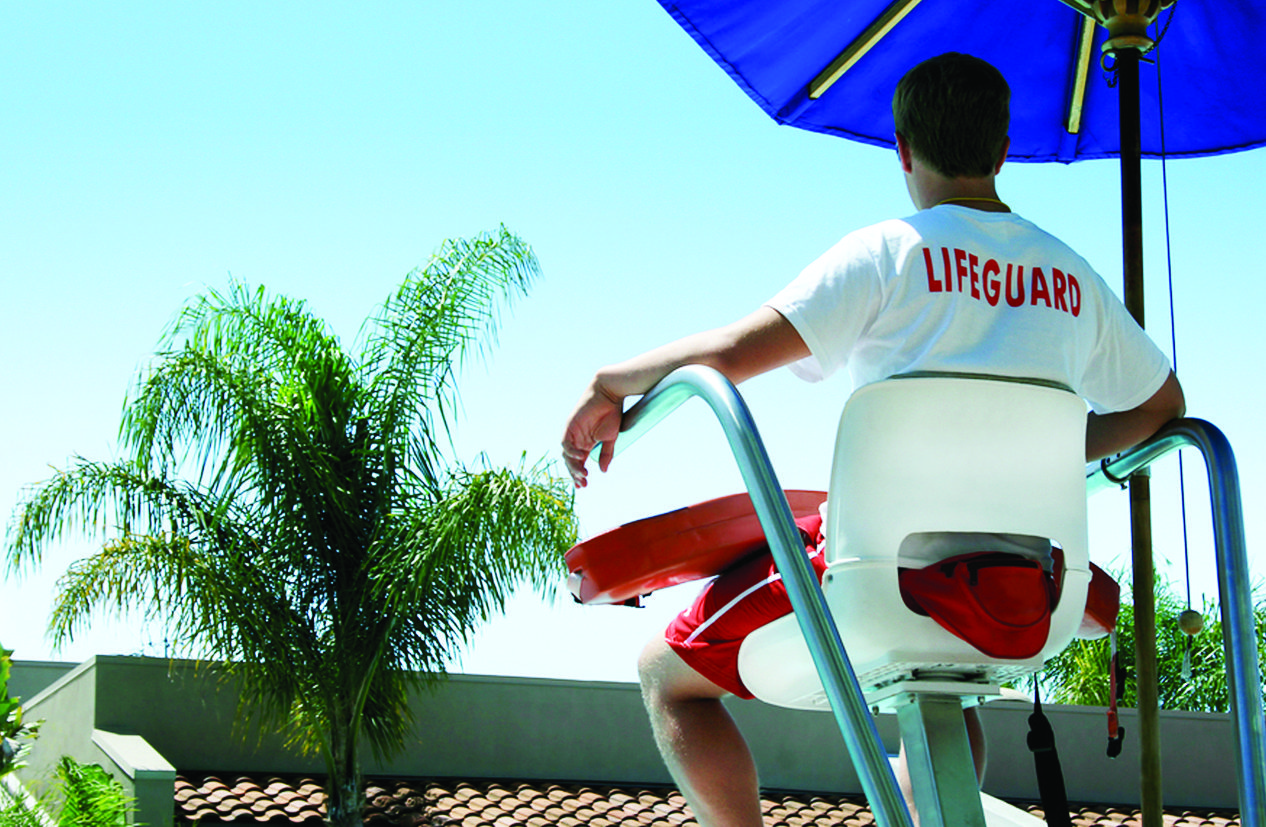
A lifeguard course is a professional training program designed to prepare individuals to prevent and respond to water-related emergencies. It combines physical training, rescue techniques, and emergency care skills to ensure that lifeguards can act quickly and effectively when lives are at risk. Whether you want a summer job or a long-term career in aquatic safety, enrolling in a lifeguard course is the first essential step.
What Is a Lifeguard Course?
A lifeguard course is a structured certification program that teaches participants how to maintain safety in aquatic environments such as swimming pools, beaches, lakes, and water parks. The course focuses on both prevention and response, ensuring that lifeguards can identify risks before they turn into emergencies.
Participants learn through a mix of classroom instruction and hands-on water training. By the end of the course, candidates must demonstrate both knowledge and physical competence to earn certification.
Key Skills You Learn in a Lifeguard Course
A well-designed lifeguard course covers several critical areas:
1. Water Rescue Techniques
You will learn how to rescue distressed swimmers using safe and effective methods. This includes handling active and passive victims, spinal injury rescues, and using rescue equipment like tubes and boards.
2. CPR, AED, and First Aid
One of the most important parts of the course is emergency care training. You’ll learn how to perform CPR (Cardiopulmonary Resuscitation), use an AED (Automated External Defibrillator), and provide first aid for injuries, choking, and cardiac emergencies.
3. Surveillance and Prevention
Lifeguards must stay alert at all times. The course teaches scanning techniques, risk identification, and how to enforce safety rules to prevent accidents.
4. Emergency Response Planning
You’ll learn how to act quickly in emergencies by following structured action plans and working effectively with a team.
Requirements for Joining a Lifeguard Course
Before enrolling, candidates must meet certain prerequisites to ensure they are physically and mentally prepared:
- Minimum age: Usually 15–18 years
- Swimming skills: Ability to swim 200–300 meters continuously
- Timed swim test: Demonstrating speed and endurance
- Treading water: Typically for 1–2 minutes without support
- Basic fitness level: To perform rescues and carry equipment
These requirements ensure that trainees can handle the physical demands of lifeguarding.
Duration and Structure of the Course
Most lifeguard courses take 20 to 30 hours to complete. Depending on the provider, the course may be offered as:
- Intensive weekend programs
- Weekly sessions over several weeks
- Blended learning (online theory + in-person training)
The structure usually includes:
- Classroom lessons
- Practical water sessions
- Rescue drills and simulations
- Final written and practical exams
Types of Lifeguard Courses
Different aquatic environments require specialized training. You can choose a course based on where you plan to work:
Pool Lifeguard Course
Designed for controlled environments like swimming pools. Focuses on quick response and close monitoring.
Waterfront Lifeguard Course
Covers natural water settings such as lakes and rivers, including hazards like low visibility and uneven terrain.
Beach Lifeguard Course
Advanced training for ocean environments, including wave dynamics, rip currents, and long-distance rescues.
Certification and Renewal
After successfully completing the course, you will receive a lifeguard certification, which is typically valid for two years. To remain certified, lifeguards must:
- Complete refresher courses
- Pass renewal assessments
- Stay updated with the latest safety protocols
Regular renewal ensures that skills remain sharp and up to date.
Career Opportunities After a Lifeguard Course
Completing a lifeguard course opens up various job opportunities, such as:
- Swimming pool lifeguard
- Beach or waterfront lifeguard
- Water park safety staff
- Swim instructor
- Aquatic facility supervisor
Many people also use lifeguarding as a stepping stone toward careers in emergency services, healthcare, or sports and fitness.
Benefits of Taking a Lifeguard Course
1. Ability to Save Lives
You gain practical skills that can make a life-saving difference in emergencies.
2. Strong Job Prospects
Lifeguards are in demand worldwide, especially during summer seasons.
3. Improved Physical Fitness
The course enhances your swimming ability, strength, and endurance.
4. Confidence and Responsibility
Handling emergencies builds confidence, leadership, and decision-making skills.
Tips for Success in a Lifeguard Course
- Practice swimming regularly before enrolling
- Stay focused during training sessions
- Participate actively in drills
- Maintain good physical fitness
- Stay calm under pressure
Consistency and dedication are key to completing the course successfully.
Final Thoughts
A lifeguard course is more than just a certification it’s a commitment to safety, responsibility, and helping others. It equips you with essential life-saving skills, improves your physical fitness, and opens doors to rewarding career opportunities.
If you are passionate about water safety and want to make a meaningful impact, enrolling in a lifeguard course is a powerful and worthwhile decision.
No Responses