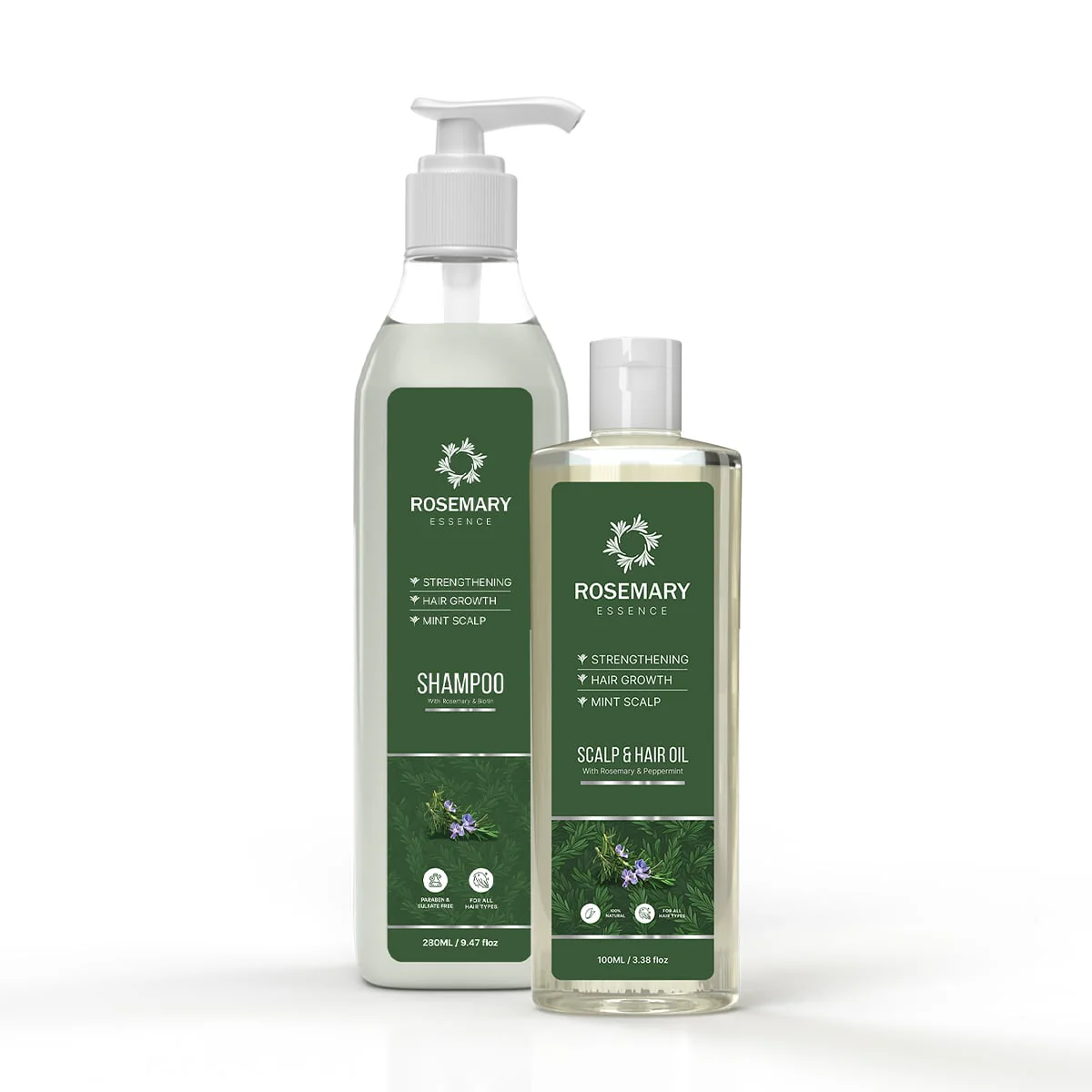
If you’ve spent even a few minutes on TikTok or beauty blogs, you’ve probably seen people claiming that rosemary oil is a miracle cure for hair loss. From dramatic before-and-after photos to viral “hair growth hacks,” the hype is everywhere. But here’s the real question: can rosemary oil actually regrow hair, or is it just another overhyped trend?
Let’s break down the truth—backed by science, rosemary oil price in pakistan expert opinions, and real-world results—so you can decide whether it’s worth adding to your hair care routine.
What Is Rosemary Oil?
Rosemary oil is extracted from the leaves of the rosemary plant (Rosmarinus officinalis), a herb long used in cooking and traditional medicine. Today, it’s widely used in skincare and haircare products because of its powerful natural properties.
It contains:
- Antioxidants
- Anti-inflammatory compounds
- Antimicrobial elements
These properties make it beneficial for scalp health—but hair regrowth is a more complex story.
The Big Claim: Can It Regrow Hair?
Short Answer:
Yes… but only in certain situations—and not as a miracle cure.
Research suggests rosemary oil may help stimulate hair growth, especially in people with specific types of hair loss like androgenetic alopecia (pattern baldness).
However, it is not a guaranteed solution and doesn’t work for everyone.
What Science Actually Says
One of the most talked-about studies (2015) compared rosemary oil with minoxidil (a well-known hair growth treatment). The results showed that:
- Both groups experienced similar hair growth after 6 months
- Rosemary oil caused less scalp irritation
That sounds impressive—but there’s a catch.
Experts warn that:
- The study was small and limited
- More large-scale research is still needed
- Results may vary depending on the cause of hair loss
In fact, dermatologists say rosemary oil should be seen as a supportive treatment, not a replacement for proven medical options.
How Rosemary Oil May Help Hair Growth
Even though it’s not magic, rosemary oil does have some real benefits that can support healthier hair.
1. Improves Blood Circulation
Rosemary oil may increase blood flow to the scalp, helping hair follicles get more oxygen and nutrients.
2. Reduces Inflammation
Inflammation can damage hair follicles. Rosemary oil’s anti-inflammatory properties may help create a healthier environment for growth.
3. Strengthens Hair Roots
It may help prevent premature shedding by strengthening follicles.
4. Fights Dandruff and Scalp Issues
A healthier scalp = better conditions for hair growth.
When Rosemary Oil Works Best
Rosemary oil is most effective for:
- Mild to moderate hair thinning
- Early-stage pattern baldness
- Scalp inflammation or dandruff
- People looking for a natural alternative
It may also help if your hair loss is related to poor scalp health rather than deeper medical issues.
When It Won’t Work
This is where many people get disappointed.
Rosemary oil is unlikely to regrow hair if your hair loss is caused by:
- Severe baldness
- Hormonal disorders
- Autoimmune conditions (like alopecia areata)
- Nutritional deficiencies
- Stress-related shedding (telogen effluvium)
In these cases, treating the root cause is essential.
Realistic Results: What to Expect
Let’s be honest—rosemary oil won’t give you rosemary hair oil overnight hair growth.
Here’s what you can realistically expect:
After 1–2 months:
- Reduced hair fall
- Healthier scalp
After 3–6 months:
- Slight increase in thickness
- Baby hairs in some cases
Consistency is key. Most studies showing results required at least 6 months of regular use.
How to Use Rosemary Oil Properly
Using it the right way makes all the difference.
Basic Method:
- Mix 3–5 drops of rosemary oil with a carrier oil (coconut, castor, or jojoba)
- Massage into your scalp for 5–10 minutes
- Leave it on for at least 30 minutes (or overnight)
- Wash with a mild shampoo
Frequency:
- 2–4 times per week
Important: Never apply essential oil directly without diluting—it can irritate your skin.
Side Effects and Safety
Rosemary oil is generally safe, but it’s not completely risk-free.
Possible side effects include:
- Scalp irritation
- Redness
- Allergic reactions
Always do a patch test before using it regularly.
Rosemary Oil vs Minoxidil
Let’s compare quickly:
| Feature | Rosemary Oil | Minoxidil |
|---|---|---|
| Type | Natural remedy | FDA-approved drug |
| Effectiveness | Moderate (limited evidence) | Strong clinical evidence |
| Side effects | Mild | Can include irritation |
| Cost | Affordable | Moderate |
| Speed of results | Slow | Faster |
Bottom line:
Minoxidil is more reliable, but rosemary oil is a gentler, natural alternative.
What Experts Really Think
Dermatologists generally agree on one thing:
👉 Rosemary oil is helpful—but not a miracle.
It may:
- Improve scalp health
- Support mild regrowth
- Slow down hair loss
But it won’t:
- Reverse advanced baldness
- Replace medical treatments
The Social Media Hype: Truth vs Reality
Platforms like TikTok have played a huge role in rosemary oil’s popularity.
While many users report positive results, remember:
- Anecdotes ≠ scientific proof
- Lighting, styling, and angles can exaggerate results
- Many people use multiple treatments at once
That’s why it’s important to rely on both science and realistic expectations.
Tips to Boost Results
If you want better outcomes, combine rosemary oil with:
- A healthy diet (rich in protein, iron, and vitamins)
- Stress management
- Proper hair care routine
- Scalp massages
- Medical treatments (if needed)
Hair growth is a combination of factors—not just one product.
Final Verdict: Does Rosemary Oil Regrow Hair?
Yes—but with limitations.
✔ It can help improve hair growth in some people
✔ It supports a healthier scalp environment
✔ It may reduce hair fall
❌ It is not a miracle cure
❌ It won’t work for all types of hair loss
❌ Results take time and consistency
Conclusion
Rosemary oil sits somewhere between a natural remedy and a supportive treatment. It’s not going to magically regrow a full head of hair overnight—but it can play a valuable role in your hair care routine if used correctly.
If your hair loss is mild or just starting, rosemary oil is definitely worth trying. But if your condition is more serious, it’s best to combine it with professional advice and proven treatments.
No Responses