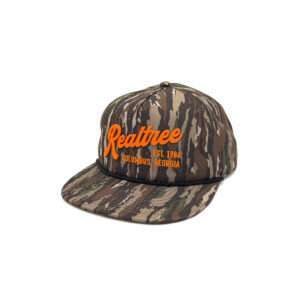
The camo hoodie has become one of the most recognizable pieces in modern streetwear. It blends utility, rebellion, and everyday comfort into a single garment that feels just as natural in urban fashion as it once did on military terrain. But how did a pattern designed for concealment in battlefields end up as a bold fashion statement worn on city streets around the world?
This guide explores the journey of the camo hoodie—from its military origins to its rise in street culture—and shows how it continues to shape modern style today.
The Military Origins of Camouflage
Camouflage was never meant to be stylish. Its original purpose was purely functional: concealment. Early forms of camouflage date back centuries, but modern military camo patterns were developed and refined during the 20th century as warfare became more visual and technologically advanced.
Military forces such as the United States Army and other global defense units began using patterned uniforms designed to break up the human silhouette in natural environments. These patterns lost hat co evolved based on terrain—forest, desert, urban, and snow—each with its own distinct color palette and structure.
The idea was simple: if a soldier blends into the environment, they are harder to detect. But what was once purely tactical soon began to carry cultural weight beyond the battlefield.
How Military Gear Entered Civilian Fashion
After major wars in the 20th century, surplus military clothing entered civilian markets. Veterans continued wearing their uniforms in everyday life, and soon civilians adopted the durable, practical garments for workwear and outdoor activities.
By the late 20th century, camouflage patterns began appearing in pop culture, music scenes, and youth movements. What was once a symbol of military discipline gradually became a symbol of resistance, individuality, and edge.
The transition wasn’t random—it reflected a broader cultural shift. People started embracing military-inspired clothing not for function, but for meaning.
The Rise of the Hoodie in Streetwear Culture
Before the camo hoodie became a staple, the hoodie itself had already secured its place in fashion history. Originally designed for workers in cold environments, hoodies became widely adopted in sportswear and later in hip-hop and skate culture.
The hoodie represented comfort, anonymity, and rebellion all at once. It was practical, but it also carried an attitude—especially in urban environments where fashion and identity are closely linked.
When camouflage patterns merged with hoodies, a new hybrid was born: functional military design fused with street-level expression.
Why the Camo Hoodie Became a Streetwear Essential
The camo hoodie didn’t rise to popularity by accident. Several cultural and stylistic factors contributed to its success:
1. Bold Visual Identity
Camouflage patterns are visually loud, even though their original purpose was to hide. In fashion, this contrast creates instant attention.
2. Symbol of Rebellion
Camo has long been associated with anti-establishment movements. Wearing it often signals independence and nonconformity.
3. Versatility
Despite its boldness, camo pairs surprisingly well with neutral tones like black, white, beige, and denim.
4. Gender-Neutral Appeal
The camo hoodie works across genders and body types, making it a universal streetwear piece.
5. Seasonal Adaptability
Whether layered under jackets in winter or worn lightly in spring, it fits multiple climates and styles.
Different Types of Camo Patterns
Not all camo is the same. Over time, fashion designers have reinterpreted military patterns into creative variations:
Woodland Camo
The classic green, brown, and black pattern inspired by forest environments. This is the most traditional and widely recognized version.
Desert Camo
Light tan and beige tones designed for arid environments. It offers a softer, more neutral aesthetic in fashion.
Urban Camo
Grey-based patterns built for city environments. This version feels more modern and minimal.
Digital Camo
A pixelated version of camouflage used in modern militaries. In fashion, it represents a futuristic and tech-inspired look.
Each variation brings its own personality to the hoodie, allowing wearers to choose based on mood and style.
How Streetwear Brands Reinvent the Camo Hoodie
Streetwear brands took the camo hoodie and transformed it into something far beyond military utility. Instead of focusing on concealment, designers emphasize branding, texture, and oversized silhouettes.
Modern interpretations often include:
- Oversized fits for a relaxed street look
- Distressed or washed-out camo prints
- Heavyweight fabric for structure
- Embroidered logos layered over camouflage
- Mixed-material designs combining fleece, cotton, and nylon
These updates make the camo hoodie less about survival and more about identity.
Styling the Camo Hoodie for Everyday Wear
One of the biggest strengths of the camo hoodie is its adaptability. It can be styled in multiple ways depending on the look you want to achieve.
Casual Street Look
Pair a camo hoodie with slim black jeans and sneakers. This creates a balanced outfit where the hoodie remains the focal point.
Layered Urban Fit
Wear it under a bomber jacket or denim jacket. The layering adds depth without overwhelming the camouflage pattern.
Sporty Aesthetic
Combine it with joggers and athletic sneakers for a comfortable, movement-friendly outfit.
Minimalist Contrast
Match a bold camo hoodie with neutral trousers and clean white sneakers to tone down the visual intensity.
High-Fashion Street Style
Oversized camo hoodies paired with wide-leg pants and statement accessories can push the look into high-fashion territory.
The Psychology Behind Wearing Camouflage
Camouflage in fashion is not just about appearance—it carries psychological meaning.
Wearing camo can express:
- A desire to stand out while referencing something meant to blend in
- Confidence and boldness
- Connection to military-inspired toughness
- Appreciation for utilitarian design
This contradiction—standing out through a pattern designed for hiding—is what makes camo so powerful in fashion.
Camo Hoodie in Music and Pop Culture
Hip-hop and street music scenes played a major role in popularizing camo hoodies. Artists often used military-inspired clothing to symbolize resilience, struggle, and strength.
Over time, camo became a recurring theme in music videos, album covers, and live performances. It helped establish a visual identity that connected streetwear with cultural storytelling.
Skateboarding culture also embraced camo hoodies for their durability and relaxed fit, further solidifying their place in youth fashion.
Why the Camo Hoodie Is Still Relevant Today
Fashion trends come and go, but the camo hoodie continues to stay relevant because it adapts. Designers constantly reinterpret it, and wearers continuously find new ways to style it.
Its longevity comes from three key qualities:
- Functionality: comfortable, warm, and practical
- Symbolism: rich with cultural meaning
- Flexibility: easy to style across different aesthetics
Unlike trend-driven pieces, the camo hoodie exists in a category of its own—it evolves instead of disappearing.
The Future of Camo in Fashion
As fashion moves toward sustainability and tech integration, camo designs are also evolving. Expect to see:
- Eco-friendly fabrics with camo prints
- Digital and AI-generated camouflage patterns
- Minimalist reinterpretations for luxury streetwear
- Hybrid designs combining tactical and casual elements
The camo hoodie will likely continue blending its military heritage with futuristic fashion innovation.
Final Thoughts
From its origins on the battlefield to its dominance in streetwear culture, the camo hoodie represents one of fashion’s most interesting transformations. It started as a tool for concealment and evolved into a symbol of expression.
Today, it sits at the intersection of utility and identity—worn by people who want comfort, confidence, and cultural edge all in one piece.
No Responses