Introduction
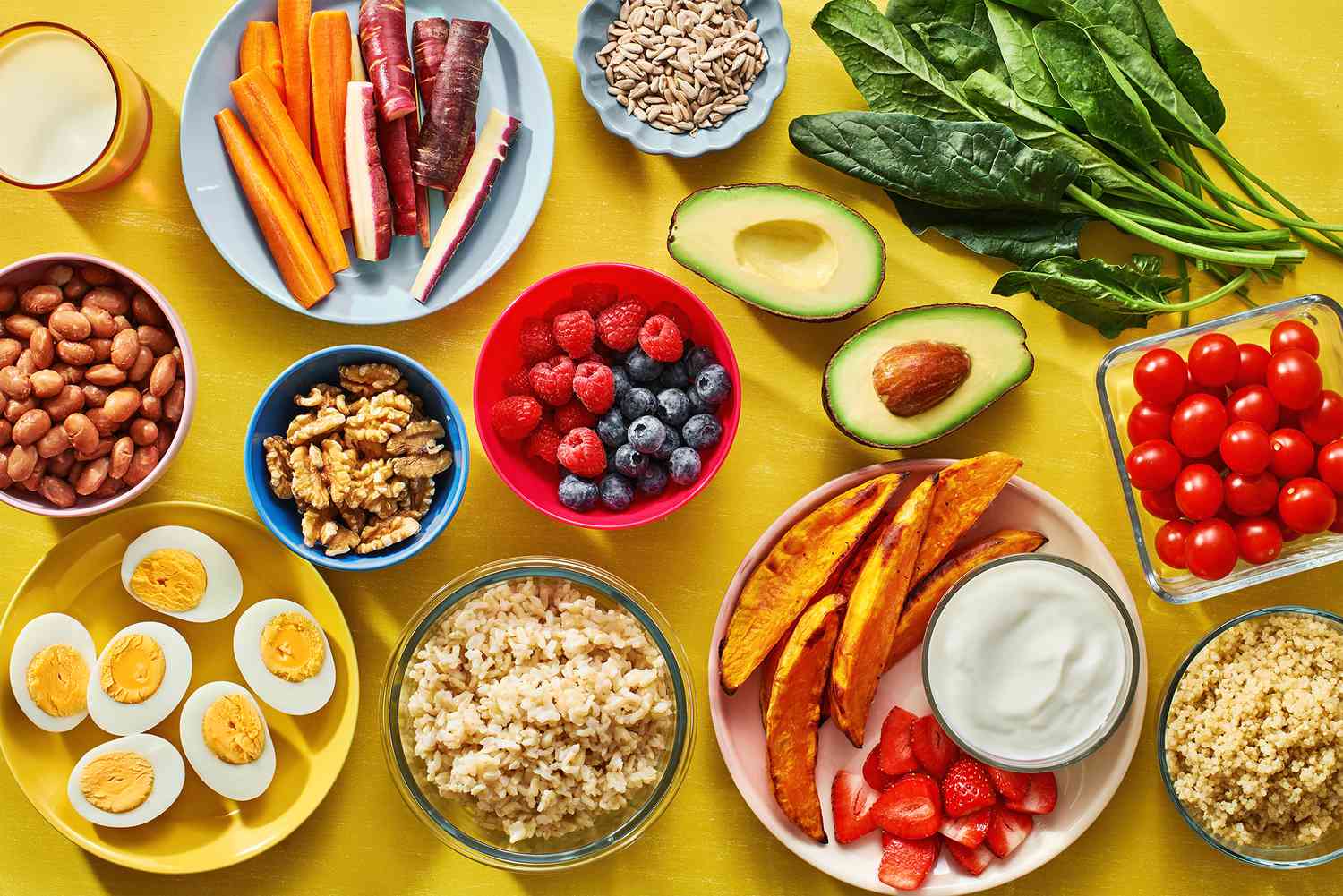
Nutrition plays a foundational role in a child’s growth and development. From infancy through adolescence, the body and brain require a steady supply of essential nutrients to build strong bones, support brain function, and maintain overall health. Children grow at a rapid pace, and during these years, the quality of their diet directly influences their physical strength, mental abilities, and emotional well-being.
A balanced diet not only supports height and muscle development but also strengthens immunity, improves concentration, and enhances memory. On the other hand, poor nutrition can lead to developmental delays, weak immunity, fatigue, and learning difficulties.
Understanding which foods are most beneficial for child growth helps parents make better dietary choices that support long-term health and success.
The Role of Nutrition in Child Growth
Children require a combination of macronutrients (proteins, carbohydrates, and fats) and micronutrients (vitamins and minerals) to grow properly. Each nutrient plays a unique role in development.
Proteins help build muscles and tissues, calcium and vitamin D strengthen bones, iron supports brain development, and healthy fats contribute to cognitive function. Without a proper balance of these nutrients, a child’s physical and mental growth may be affected.
Good nutrition also supports hormone production, especially growth hormone, which is essential for height development and overall body growth. Therefore, consistent healthy eating habits are just as important as genetics in determining a child’s development.
Protein-Rich Foods for Muscle and Tissue Development
Protein is one of the most important nutrients for growing children. It supports the development of muscles, tissues, enzymes, and hormones.
Some of the best protein-rich foods include:
- Eggs
- Chicken and lean meats
- Fish such as salmon and tuna
- Dairy products like milk, yogurt, and cheese
- Beans, lentils, and chickpeas
- Nuts and seeds
Eggs are particularly beneficial because they contain high-quality protein and essential amino acids needed for growth. Plant-based proteins like lentils and beans are also excellent for vegetarian diets.
Regular protein intake ensures proper muscle development, faster recovery, and overall physical strength in children.
Calcium and Vitamin D for Strong Bones
Bone development is one of the most important aspects of childhood growth. Calcium and vitamin D work together to build and maintain strong bones and teeth.
Best sources of calcium include:
- Milk
- Cheese
- Yogurt
- Green leafy vegetables like spinach
- Fortified cereals
Vitamin D helps the body absorb calcium effectively. Natural sources include sunlight exposure, egg yolks, and fatty fish.
Without enough calcium and vitamin D, children may develop weak bones, delayed growth, and a higher risk of fractures later in life. Ensuring daily intake of these nutrients is essential for lifelong skeletal health.
Brain-Boosting Foods for Mental Development
A child’s brain develops rapidly during early years, making proper nutrition essential for cognitive function, memory, and learning abilities.
Foods that support brain development include:
- Fatty fish (rich in omega-3 fatty acids)
- Walnuts and almonds
- Eggs
- Blueberries
- Whole grains
- Avocados
Omega-3 fatty acids are particularly important because they support brain cell structure and improve communication between neurons. This leads to better focus, learning ability, and problem-solving skills.
Antioxidant-rich foods like blueberries help protect brain cells from damage and improve memory retention.
Iron-Rich Foods for Energy and Focus
Iron plays a crucial role in producing hemoglobin, which carries oxygen throughout the body. Adequate iron levels help children stay active, focused, and energetic.
Best iron-rich foods include:
- Red meat
- Spinach and leafy greens
- Lentils and beans
- Fortified cereals
- Dry fruits like raisins and apricots
Iron deficiency can lead to fatigue, weakness, poor concentration, and delayed cognitive development. Pairing iron-rich foods with vitamin C sources like oranges or strawberries improves absorption.
Healthy Fats for Overall Development
Healthy fats are essential for brain development, hormone production, and energy storage. They are especially important during early childhood when the brain is rapidly forming connections.
Healthy fat sources include:
- Avocados
- Nuts and seeds
- Olive oil
- Fatty fish like salmon
- Nut butters
Unlike unhealthy trans fats, healthy fats support cardiovascular health and improve cognitive performance. Including moderate amounts of healthy fats in a child’s diet ensures balanced development.
Fruits and Vegetables for Vitamins and Immunity
Fruits and vegetables are rich in vitamins, minerals, and antioxidants that strengthen the immune system and support overall health.
Some of the best options include:
- Apples
- Bananas
- Oranges
- Carrots
- Broccoli
- Spinach
- Berries
These foods help protect the body from infections, improve digestion, and support healthy skin and eyes. A colorful plate ensures a variety of nutrients essential for growth.
Whole Grains for Energy and Digestion
Whole grains provide long-lasting energy and are rich in fiber, vitamins, and minerals. They support digestion and help maintain steady energy levels throughout the day.
Healthy whole grain options include:
- Brown rice
- Oats
- Whole wheat bread
- Quinoa
- Barley
Unlike refined grains, whole grains release energy slowly, preventing sudden spikes and crashes in blood sugar levels. This helps children stay active and focused during school hours.
Book Online Appointment with Best Pediatrician via Instacare
If your child has growth concerns, dietary deficiencies, or nutritional imbalances, consulting a pediatrician can provide personalized guidance and early intervention for healthier development.
Conclusion
A well-balanced diet is the foundation of strong physical growth and healthy brain development in children. Nutrient-rich foods such as proteins, calcium sources, healthy fats, fruits, vegetables, and whole grains play a vital role in building strength, improving cognitive abilities, and supporting emotional stability.
Parents who focus on providing a diverse and balanced diet help ensure that children grow into healthy, active, and intelligent individuals. Establishing good eating habits early in life not only supports immediate development but also builds the foundation for lifelong health and wellness.
FAQs
1. What are the most important foods for child growth?
Protein-rich foods, dairy products, fruits, vegetables, and whole grains are essential for overall growth and development.
2. How does diet affect brain development in children?
Foods rich in omega-3 fatty acids, iron, and antioxidants improve memory, focus, and cognitive function.
3. How much calcium does a child need daily?
Children typically need 700–1300 mg of calcium daily depending on age for strong bone development.
4. Can poor nutrition affect a child’s height?
Yes, lack of proper nutrients like protein and calcium can slow down growth and affect height development.
5. What is the best diet plan for growing children?
A balanced diet including proteins, healthy fats, fruits, vegetables, dairy, and whole grains is ideal for healthy growth.
No Responses