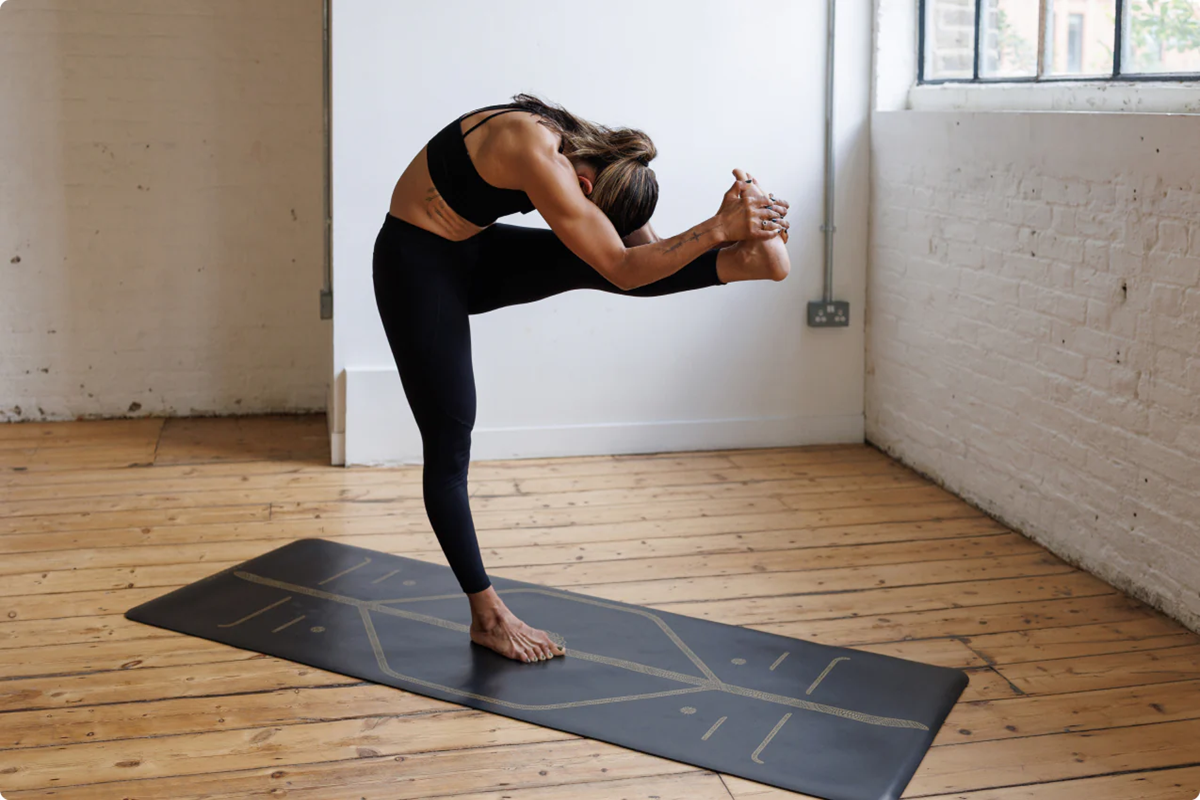
These questions might seem uncomfortable, but they’re worth exploring. Yoga is fundamentally about connection to ourselves, to others, and to the world around us. Yet many of us roll out mats made from PVC and other synthetic materials that take hundreds of years to break down in landfill. There’s a growing disconnect between the mindful practice we’re pursuing and the environmental footprint we’re leaving behind.
In this article, we’ll explore everything you need to know about eco yoga mats and why making the switch matters. You’ll discover what these sustainable alternatives are made from, how they compare to traditional mats in terms of performance, and how to choose the right one for your practice. Whether you’re a seasoned yogi or just starting your journey, understanding the impact of your gear is a meaningful step towards a more mindful practice. Let’s get stuck into it.
What Is an Eco Yoga Mat?
An eco yoga mat is exactly what it sounds like a yoga mat designed with the environment in mind. These mats are crafted from natural, biodegradable, or sustainably sourced materials that minimise environmental impact throughout their lifecycle.
Materials Used in Eco-Friendly Yoga Mats
The materials in eco yoga mats vary widely, but they all share one thing in common: they’re kinder to the planet. Natural rubber, harvested from rubber trees, is one of the most popular options. Cork, jute, organic cotton, and TPE (thermoplastic elastomer) are other common choices. Each material brings its own unique benefits to your practice.
What sets these materials apart is their ability to break down naturally or be recycled at the end of their life. Unlike traditional PVC mats that sit in landfill for centuries, eco-friendly options return to the earth much more gracefully.
How Are Eco Yoga Mats Made?
The manufacturing process for eco yoga mats typically involves fewer toxic chemicals and lower energy consumption. Many brands prioritise ethical production methods, including fair labour practices and reduced carbon emissions. Some manufacturers even use solar power or offset their carbon footprint through tree-planting initiatives.
Why Should You Switch to an Eco Yoga Mat?
Making the switch isn’t just about following a trend there are genuine benefits that extend beyond your personal practice.
Environmental Benefits of Choosing Sustainable Yoga Gear
Traditional yoga mats, particularly those made from PVC, are a nightmare for the environment. They’re not biodegradable, they release harmful chemicals during production, and they contribute to the growing plastic pollution crisis. In Australia alone, millions of yoga mats end up in landfill each year.
By choosing an eco yoga mat, you’re actively reducing your environmental footprint. Natural rubber mats, for instance, come from renewable resources and can biodegrade within a few years under the right conditions. Plus, the production process for most eco mats generates fewer greenhouse gas emissions.
Health Benefits: What’s Really in Your Standard Yoga Mat?
Here’s something that might surprise you that chemical smell from a new yoga mat isn’t just unpleasant, it could be harmful. Many standard mats contain phthalates, heavy metals, and other toxic compounds that can off-gas during your practice. When you’re breathing deeply in downward dog, you’re potentially inhaling these substances.
Eco yoga mats eliminate this concern. Made from natural materials, they’re free from the nasty chemicals found in conventional options. This is particularly important for hot yoga practitioners or anyone with chemical sensitivities.
Supporting Ethical and Sustainable Brands
When you purchase an eco yoga mat, you’re voting with your wallet. You’re supporting companies that prioritise sustainability over profit margins and encouraging the industry to move in a greener direction. Many eco-conscious brands also give back to environmental causes or support communities in developing countries.
Are Eco Yoga Mats as Good as Regular Yoga Mats?
Grip and Performance Comparison
Good news eco yoga mats often outperform their synthetic counterparts when it comes to grip. Natural rubber provides excellent traction, even during sweaty sessions. Cork mats actually become grippier when wet, making them perfect for hot yoga. The days of eco mats being slippery or underperforming are well and truly behind us.
Durability: Do Eco Mats Last as Long?
Quality eco yoga mat can last just as long as traditional mats sometimes even longer. Natural rubber mats, when properly cared for, can serve you well for five years or more. Cork mats are incredibly resilient and resistant to wear. The key is investing in a quality product from a reputable brand.
Comfort and Cushioning
Comfort levels vary depending on the material and thickness you choose. Natural rubber mats offer excellent cushioning for joints, while cork mats provide a firmer surface. There’s an eco option to suit every preference and practice style.
What Are the Best Eco-Friendly Yoga Mat Materials?
Natural Rubber Yoga Mats
Natural rubber is the gold standard for eco yoga mats. It offers exceptional grip, cushioning, and durability. Harvested sustainably from rubber trees, it’s renewable and biodegradable. The only downside? Those with latex allergies should steer clear.
Cork Yoga Mats
Cork is harvested from the bark of cork oak trees without harming the tree itself pretty remarkable, really. Cork mats are naturally antimicrobial, meaning they resist bacteria and odours. They’re also incredibly durable and provide a unique, earthy feel underfoot.
Jute and Organic Cotton Options
For yogis seeking a more traditional feel, jute and organic cotton mats offer a wonderful solution. These materials are completely natural and biodegradable. They work particularly well for gentler practices like restorative or yin yoga, though they may not provide as much cushioning as rubber options.
TPE (Thermoplastic Elastomer) Mats
TPE sits somewhere between fully natural and synthetic. It’s recyclable, free from PVC and latex, and offers good performance characteristics. While not as eco-friendly as natural options, it’s a significant step up from traditional mats and often more budget-friendly.

How Do I Choose the Right Eco Yoga Mat for My Practice?
Finding your perfect mat depends on several factors
Considering Your Yoga Style
Your practice style should guide your choice. Power yoga or vinyasa practitioners need excellent grip natural rubber or cork works brilliantly. For restorative or yin yoga, comfort takes priority, so opt for thicker natural rubber mats. Hot yoga enthusiasts should look at cork for its moisture-wicking properties.
Thickness and Portability
Eco mats typically range from 3mm to 6mm thick. Thinner mats are lighter and easier to carry but offer less cushioning. Thicker mats protect your joints but can be heavier. Consider how often you’ll transport your mat and balance this against your comfort needs.
Budget-Friendly Sustainable Options
Eco yoga mats do tend to cost more upfront, but think of it as an investment. They often last longer than cheap alternatives, meaning better value over time. TPE mats offer a more affordable entry point into sustainable yoga gear, while natural rubber and cork options sit at the premium end.
How to Care for Your Eco Yoga Mat to Extend Its Lifespan
Proper care makes all the difference. Clean your mat regularly with a gentle, natural cleaning solution a mix of water and a few drops of tea tree oil works wonderfully. Avoid harsh chemicals that can break down natural materials.
Always allow your mat to dry completely before rolling it up. Store it away from direct sunlight to prevent degradation. With a little love, your eco mat will support your practice for years to come.
Making Your Entire Yoga Practice More Sustainable
Your mat is just the beginning. Consider other ways to green your practice:
- Choose sustainable yoga clothing made from organic cotton or recycled materials
- Bring a reusable water bottle to class
- Support studios that prioritise environmental practices
- Walk or cycle to your yoga sessions when possible
- Small changes add up to significant impact when we all do our bit.
Small Changes, Big Impact
Switching to an eco yoga mat is a simple yet powerful way to align your practice with your values. We’ve explored the environmental and health benefits, compared performance characteristics, and examined the various sustainable materials available. The evidence is clear eco yoga mats are not just good for the planet; they’re genuinely excellent products.
Your yoga practice is about more than physical postures. It’s about cultivating awareness, making mindful choices, and connecting with something greater than ourselves. Choosing sustainable gear extends these principles beyond your mat and into the wider world.
So next time you unroll your mat, consider what it’s made of and where it might end up. Making the switch to an eco yoga mat is a meaningful step towards a more sustainable practice and a healthier planet. Your body, your practice, and Mother Earth will thank you for it.
No Responses