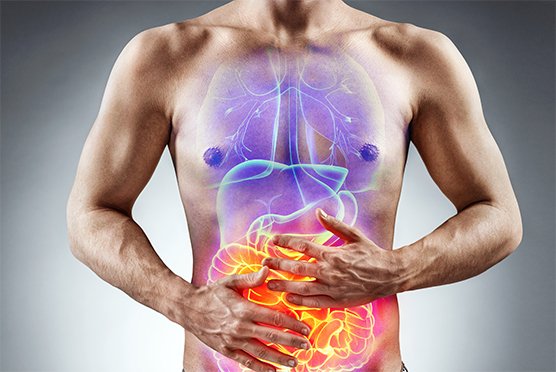
Your digestive system does far more than break food down. It relies on a carefully timed series of muscle contractions that move food, liquids, and digestive juices through your gut. These movements, known as gut motility, influence how well you digest food, absorb nutrients, regulate blood sugar, and even support immune and mental health.
When gut motility works well, digestion feels almost effortless. When it slows or becomes irregular, symptoms quickly show up. You may notice bloating, nausea, early fullness, constipation, diarrhoea, or unexplained fatigue. Over time, poor motility can affect your entire body, not just your stomach or bowels.
To explain how vital gut motility is, this article uses gastroparesis as a clinical example of impaired motility. While gastroparesis represents a severe and diagnosed condition, it helps illustrate what happens when the digestive system loses its natural rhythm.
What gut motility really means
Gut motility refers to the coordinated contraction and relaxation of smooth muscles along your digestive tract. These movements begin in your oesophagus, continue through the stomach and intestines, and end at the rectum.
You rely on several types of movement:
- Peristalsis, which pushes food forward
- Segmentation, which mixes food with digestive enzymes
- Gastric emptying, which controls how quickly food leaves the stomach
Your nervous system, digestive hormones, gut microbes, and muscle health all influence these processes. Even stress levels and sleep quality play a role.
When these systems communicate well, digestion stays balanced. When communication breaks down, motility slows, speeds up, or becomes uncoordinated.
Why healthy gut motility supports the whole body
Good motility supports digestion in ways you may not immediately notice. It ensures food stays in each part of the gut for the right amount of time. That timing matters.
If food moves too slowly, it can ferment, causing gas, bloating, and nausea. If it moves too quickly, nutrients pass through before absorption occurs.
Healthy motility helps you by:
- Improving nutrient absorption, including iron, vitamin B12, and fat-soluble vitamins
- Supporting stable blood sugar levels
- Preventing bacterial overgrowth in the small intestine
- Reducing inflammation in the gut lining
- Supporting regular bowel habits
When motility weakens, these benefits fade, and symptoms may extend beyond digestion.
Gastroparesis: a clear example of impaired motility
Gastroparesis literally means “paralysed stomach”. In this condition, the stomach muscles fail to contract effectively, so food empties into the small intestine far more slowly than normal.
You may live with gastroparesis if you experience:
- Early fullness after only a few mouthfuls
- Nausea or vomiting of undigested food
- Persistent bloating
- Upper abdominal pain
- Poor appetite and weight loss
Doctors often diagnose gastroparesis using gastric emptying studies, which measure how long food stays in the stomach.
This condition shows what happens when motility fails at one critical stage of digestion. While gastroparesis affects the stomach, similar motility problems can occur anywhere along the gut.
Common causes of impaired gut motility
Motility problems rarely have a single cause. Instead, several factors often overlap.
Common contributors include:
- Diabetes, which damages the vagus nerve controlling stomach movement
- Post-viral nerve injury, sometimes following flu or gastrointestinal infections
- Autoimmune conditions, which affect nerve and muscle function
- Long-term use of certain medications, such as opioids or anticholinergics
- Hormonal changes, including thyroid disorders
- Chronic stress, which disrupts gut–brain signalling
Even without a formal diagnosis, mild motility changes can still affect daily comfort and digestion.
How impaired motility disrupts digestion step by step
Using gastroparesis as a model, you can see how slowed movement triggers a cascade of problems.
- Delayed stomach emptying
Food sits in the stomach for too long, leading to pressure, nausea, and reflux-like symptoms. - Poor breakdown of food
Digestive enzymes struggle to work effectively, especially on proteins and fats. - Irregular nutrient absorption
When food reaches the intestines unpredictably, absorption becomes inconsistent. - Bacterial overgrowth
Slow transit allows bacteria to multiply where they should not, worsening bloating and discomfort. - Systemic effects
Malnutrition, fatigue, and blood sugar instability may follow.
These steps show why motility influences far more than your stomach alone.
Gut motility and the gut–brain connection
Your gut and brain remain in constant communication through the vagus nerve and chemical messengers such as serotonin. In fact, most of your body’s serotonin sits in the gut, not the brain.
When motility falters:
- Signals between gut and brain weaken
- Stress responses intensify digestive symptoms
- Anxiety may worsen nausea and pain
- Sleep disturbances may increase
Many people with gastroparesis report anxiety or low mood, not because symptoms are “in the mind”, but because gut dysfunction alters brain chemistry.
Supporting motility often improves mental wellbeing as well.
Diet and gut motility: what helps and what hinders
Food choice directly affects how your gut muscles behave.
Foods that often slow motility include:
- High-fat meals
- Large portion sizes
- Tough, fibrous foods that resist digestion
Foods that often support gentler movement include:
- Cooked vegetables rather than raw
- Soft fruits without skins
- Lean proteins in smaller portions
- Well-cooked grains
If you live with gastroparesis or slow digestion, eating smaller meals more frequently often reduces symptoms. Chewing thoroughly also supports stomach emptying.
The role of hydration in digestive movement
Water plays a quiet but vital role in motility. Adequate hydration keeps stool soft, supports enzyme activity, and helps muscles contract efficiently.
Dehydration can worsen:
- Constipation
- Bloating
- Abdominal discomfort
- Delayed gastric emptying
Sipping fluids between meals, rather than during large meals, often works better for people with slow stomach emptying.
Medical management of impaired motility
Doctors may prescribe medications that stimulate muscle contractions or control nausea. These may include prokinetic agents or antiemetics.
While medicines help many people, they may cause side effects and often work best alongside lifestyle and dietary changes.
For this reason, many patients also explore nutritional and complementary options to support digestive movement more gently.
Nutritional support and supplementation
Specific nutrients support nerve signalling, muscle contraction, and digestive enzyme function.
Examples include:
- Magnesium, which supports smooth muscle relaxation and contraction
- B vitamins, essential for nerve health
- Zinc, which supports digestion and immune balance
Some people explore Natural Supplements for Gastroparesis as part of a broader plan to support digestive comfort, especially when conventional options feel limited.
You should always discuss supplements with a healthcare professional, particularly if you take prescribed medication.
Herbal approaches and traditional use
Plants have supported digestion across cultures for centuries. Certain herbs may help stimulate digestive secretions, ease nausea, or support gut muscle tone.
Options often discussed include ginger, peppermint, and artichoke extract. These may suit mild motility issues or support symptom relief when used appropriately.
Many people researching digestive health also explore Herbal Remedies for Gastroparesis, especially when looking for gentle, food-based support rather than aggressive interventions.
Quality, sourcing, and dosing matter greatly when choosing herbal products.
Gut motility, immunity, and inflammation
Around 70% of your immune system resides in the gut. Motility helps regulate how immune cells interact with gut microbes and food particles.
When food stagnates due to slow movement:
- Harmful bacteria may increase
- The gut lining may become irritated
- Inflammatory responses may rise
Over time, this can contribute to food sensitivities and systemic inflammation. Supporting healthy movement reduces immune stress and supports gut barrier function.
Blood sugar control and gastric emptying
Gastroparesis frequently affects people with diabetes because blood sugar and motility influence each other.
Slow stomach emptying can cause:
- Delayed glucose absorption
- Unpredictable blood sugar spikes
- Difficulty timing insulin or medication
Improving motility stability often leads to more predictable glucose control, even if stomach emptying remains slower than average.
Practical daily habits that support gut movement
Small changes often produce meaningful improvements.
You can support motility by:
- Eating meals at consistent times
- Taking gentle walks after eating
- Managing stress through breathing or relaxation
- Sleeping regularly and adequately
- Avoiding lying flat immediately after meals
These habits encourage natural digestive rhythms without forcing the system.
When to seek professional support
You should seek medical advice if you experience:
- Persistent nausea or vomiting
- Unintentional weight loss
- Severe bloating or abdominal pain
- Difficulty maintaining nutrition
Gastroparesis and other motility disorders require proper diagnosis. Early support reduces complications and improves quality of life.
Choosing safe and reliable nutritional products
If you explore supplements, choose products with clear labelling, transparent sourcing, and appropriate quality controls. Many people prefer to buy from trusted providers offering Organic Vitamins and Supplements Online UK, especially when managing long-term digestive concerns.
A registered dietitian or pharmacist can help you select options that fit your needs and avoid interactions.
Living well with impaired gut motility
While gastroparesis and other motility disorders can feel limiting, many people manage symptoms successfully with the right combination of care.
Progress often comes from:
- Personalised dietary changes
- Thoughtful use of medication
- Nutritional and herbal support where appropriate
- Ongoing monitoring and adjustment
Listening to your body and responding early to changes makes a significant difference.
Final thoughts: why motility deserves attention
Gut motility forms the backbone of digestive health. When movement slows or becomes irregular, the effects reach far beyond the stomach. Gastroparesis shows clearly how impaired motility disrupts digestion, nutrition, immunity, and wellbeing.
By supporting gut movement through informed choices, professional guidance, and sustainable habits, you protect not only digestion but overall health. Whether you live with a diagnosed condition or simply want better digestive comfort, paying attention to motility offers a practical and empowering place to start.
No Responses