Let’s be real the internet is absolutely flooded with vendors promising “99% pure peptides” and overnight delivery. But when you’re searching for peptides online in Australia, the line between a legitimate research supplier and a fly‑by‑night operation can be razor‑thin. I’ve spent over four years deep‑diving into the peptide supply chain, speaking with lab managers, biochemists, and even disappointed buyers who received vials of who‑knows‑what. This guide is everything I wish I’d had when I started.
Whether you’re a university researcher, a biotech startup, or a serious home‑lab enthusiast, you need to know how to source research peptides legally, verify their purity, and avoid customs nightmares. I’ll walk you through every step, keep the jargon to a minimum, and make sure you finish this article feeling confident, not confused.
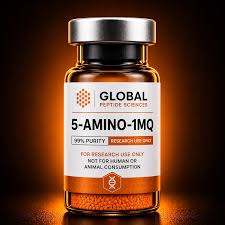
What Exactly Are Research Peptides?
Before we talk about where to buy, let’s get crystal clear on what we’re buying. Peptides are short chains of amino acids essentially the smaller cousins of proteins. In a lab setting, they’re used to study cell signaling, tissue repair, muscle wastage, and even neurological pathways. Popular compounds you’ll see mentioned include BPC‑157, TB‑500, GHK‑Cu, Ipamorelin, and Semax. They come as lyophilized (freeze‑dried) powder in tiny sterile vials, strictly labelled “for laboratory research only” and that phrase isn’t just legal padding, it’s the whole ballgame.
Because here’s the thing: any vendor selling peptides online in Australia and claiming they are fit for human consumption is either dangerously ignorant or actively breaking the law. Your first bullsh*t detector is right there on the label. If they’re marketing it as a wellness product, run.
Is It Legal to Buy Peptides Online in Australia?
I get this question daily. The short answer: it’s complicated, but ignorance won’t protect you. Under the Therapeutic Goods Administration (TGA), most research peptides fall under Schedule 4 Prescription Only Medicines. Importing them without a valid prescription, a clinical trial license, or an approved researcher permit can land you in hot water. Australian Border Force takes this seriously, and I’ve seen countless packages of “research chemicals” seized at Sydney and Melbourne gateways.
So how do legitimate researchers navigate this? They work under institutional licences, provide documentation, and partner with suppliers who maintain full regulatory traceability. If you’re a private individual hoping to buy peptides online in Australia for a personal project, you need to understand there is zero legal grey area when it comes to human use. The TGA’s website (an external do‑follow link for your reading) spells it out clearly no script, no peptide. Period.
Still, the demand for high‑quality research peptides persists, which is why top‑tier suppliers enforce strict “not for human use” policies and require end‑user declarations. It’s not about making your life difficult; it’s about keeping the science clean and the lawyers away.
What Makes a Peptide Supplier Worth Trusting?
After evaluating dozens of companies, I can tell you the good ones share the same DNA. Look for these non‑negotiables:
1. Independent Third‑Party Testing & Transparent COAs
A genuine supplier will provide a Certificate of Analysis for every batch, ideally from an ISO‑accredited lab like Janoshik or MZ Biolabs. The COA should show HPLC purity (98%+ is the gold standard), mass spectrometry confirmation, and residual solvent/TFA content. If a vendor hedges or sends you a photo of a blurry PDF, that’s your cue to exit.
2. Manufacture in GMP‑Certified Facilities
You want peptides that originate in the USA, Europe, or select Canadian labs with GMP (Good Manufacturing Practice) certification. Some Australian‑based resellers do exist; they can offer faster shipping and better local support, but verify that they’re not simply repackaging mystery powder from unregulated overseas factories.
3. Clear Shipping & Stealth Packaging Policies
When ordering peptides online in Australia, international shipments face intense customs scrutiny. Reputable companies use discreet packaging without any compound names on the outside, and they often reship if a package is seized (provided you have the right permits). Domestically, faster delivery usually means lower risk, but domestic resellers must still comply with TGA guidelines.
4. Real Community Trust
I’m not talking about a few cherry‑picked testimonials on their site. Hit Reddit threads like r/Peptides or Australian biohacking forums. Look for long‑standing accounts, detailed reviews, and importantly honest discussions about what happens when something goes wrong. A company that owns its mistakes and offers refunds or replacements is worth its weight in gold.
Red Flags That Scream “Do Not Buy”
Let’s make this simple. If you spot any of the following, close the tab immediately:
- Prices that defy logic. High‑purity lyophilized peptides are expensive to produce. If a vial of BPC‑157 is listed for $15, you’re likely buying inert filler or contaminated material.
- “Human use” dosage guides. This signals a complete disregard for TGA regulations and almost guarantees the product isn’t quality‑controlled for research.
- No physical address, no ABN, and only a Gmail contact. Transparency matters.
- Stock photos of smiling people holding vials. Real researchers don’t pose like influencers.
I recently heard from a university student who bought peptides online in Australia from a flashy Instagram ad. The “COA” was a badly edited Word document. When he emailed about the missing order, the account vanished. Don’t be that person.
How to Place a Safe Order (Step by Step)
Once you’ve found a vendor that ticks all the trust boxes, follow this workflow:
- Confirm licensing needs: Have your institutional permit, licence, or prescription ready if required.
- Request the batch‑specific COA before paying. A supplier that hesitates is hiding something.
- Use a secure payment method: Credit cards or crypto via a platform with buyer protection. Avoid bank transfers to obscure accounts.
- Choose shipping that matches your timeline: Express couriers often clear customs faster but may attract higher scrutiny. Standard post with tracking is usually sufficient for domestic orders.
- Inspect the package upon arrival: Look for intact vacuum seals, desiccant packs, and proper labelling. Photograph everything as a record.
- Store peptides correctly: Lyophilized peptides should be kept in a freezer at -20°C, away from light and moisture. Once reconstituted, use them promptly and never share vials to avoid cross‑contamination.
When you treat the process with the rigour it deserves, buying peptides online in Australia becomes less of a gamble and more of a standard procurement activity just like ordering pipettes or cell cultures.
Conclusion
The search for peptides online in Australia doesn’t have to feel like navigating a minefield. Arm yourself with knowledge, stick to suppliers who can back up their claims with hard data, and never let convenience override compliance. The research community here deserves the same high‑quality tools as anywhere else in the world — but only when they’re obtained the right way.
I’ve seen too many labs set back because a contaminated sample skewed months of work. I’ve also seen the relief on a researcher’s face when they finally connect with a vendor that delivers exactly what they promise. That’s the outcome I want for you. So bookmark this guide, share it with a colleague, and remember: in the world of research peptides, curiosity is a superpower, but due diligence is your shield.
No Responses