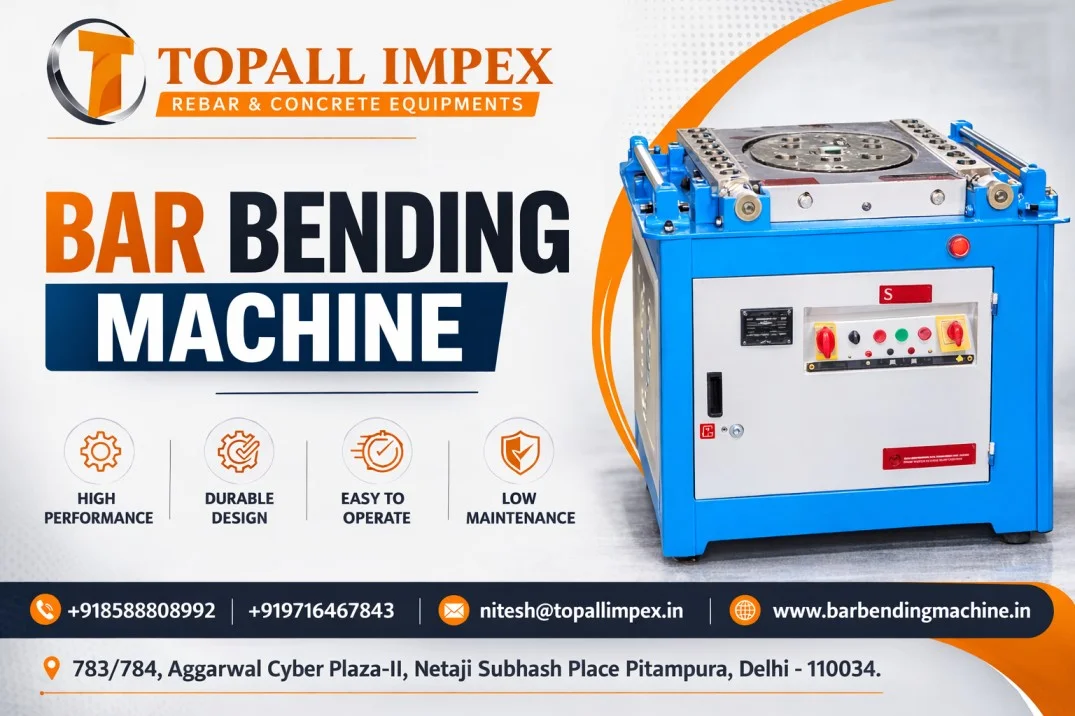
In today’s fast-paced construction industry, efficiency and precision are critical. A bar bending machine plays a vital role in shaping reinforcement steel for RCC structures, making it an essential asset on any construction site. However, like any heavy-duty equipment, its performance and lifespan depend largely on how well it is maintained.
Ignoring maintenance can lead to frequent breakdowns, increased costs, and project delays. On the other hand, proper upkeep ensures smooth operation, higher productivity, and long-term cost savings. In this guide, we’ll explore practical and effective maintenance tips to help you extend the life of your bar bending machine.
Why Maintenance of Bar Bending Machine is Important
A well-maintained machine doesn’t just last longer—it performs better. Regular maintenance ensures:
- Consistent bending accuracy
- Reduced downtime
- Lower repair costs
- Improved safety for operators
- Higher return on investment
Without proper care, even the most advanced machine can suffer from wear and tear, affecting its efficiency and output quality.
1. Regular Cleaning is a Must
Dust, dirt, and metal debris are common on construction sites. These particles can accumulate in the machine and affect its moving parts.
Best Practice:
- Clean the machine daily after use
- Remove metal scraps and dust from rollers and bending plates
- Use compressed air or a dry cloth for cleaning
Keeping the machine clean prevents internal damage and ensures smooth functioning.
2. Proper Lubrication of Moving Parts
Friction is one of the main reasons for machine wear and tear. Proper lubrication minimizes friction and keeps components running smoothly.
Key Areas to Lubricate:
- Gears
- Bearings
- Rotating discs
- Sliding components
Tip: Use high-quality lubricants recommended by the manufacturer and follow a regular lubrication schedule.
3. Inspect Electrical Components Regularly
Electrical issues are one of the leading causes of machine failure. Loose connections or damaged wires can disrupt operations and pose safety risks.
What to Check:
- Wiring connections
- Control panel
- Switches and buttons
- Motor performance
Regular inspection helps identify minor issues before they turn into major problems.
4. Check for Wear and Tear of Parts
Over time, certain components of the machine naturally wear out due to continuous usage.
Focus on:
- Bending pins
- Rollers
- Gears
- Hydraulic parts (if applicable)
Replace worn-out parts immediately to maintain accuracy and prevent further damage.
5. Ensure Proper Machine Calibration
Accuracy is crucial in construction. Incorrect bending angles can lead to structural issues and material wastage.
Maintenance Tip:
- Periodically check the bending angle settings
- Calibrate the machine as per project requirements
- Test the output with sample bars
Proper calibration ensures precision and consistency in every bend.
6. Avoid Overloading the Machine
Every bar bending machine has a specified capacity. Exceeding this limit can strain the motor and damage internal components.
Best Practice:
- Always follow the manufacturer’s guidelines
- Do not bend bars beyond the recommended diameter
- Train operators to understand machine limits
Overloading not only reduces machine life but also increases the risk of sudden breakdowns.
7. Train Operators Properly
Even the best machine can fail if not operated correctly. Skilled operators play a key role in maintaining equipment.
Training Should Include:
- Correct operating procedures
- Safety protocols
- Basic troubleshooting
- Daily maintenance checks
A trained operator can identify early warning signs and prevent costly repairs.
8. Schedule Routine Maintenance Checks
Preventive maintenance is always better than reactive repairs. Regular servicing keeps the machine in optimal condition.
Maintenance Schedule:
- Daily: Cleaning and visual inspection
- Weekly: Lubrication and minor adjustments
- Monthly: Detailed inspection of parts
- Annually: Professional servicing
Following a maintenance schedule ensures long-term reliability.
9. Monitor Noise and Vibrations
Unusual sounds or excessive vibrations often indicate underlying issues.
Warning Signs:
- Grinding noise
- Sudden jerks
- Increased vibration
If you notice any of these, stop the machine immediately and inspect it. Ignoring these signs can lead to serious damage.
10. Use Genuine Spare Parts
When replacing components, always choose high-quality or original spare parts.
Why It Matters:
- Ensures compatibility
- Maintains performance
- Reduces risk of breakdown
Cheap or low-quality parts may save money initially but can lead to higher repair costs in the long run.
11. Keep the Machine in a Safe Environment
Environmental factors like moisture, extreme heat, and dust can affect machine performance.
Storage Tips:
- Keep the machine in a dry area
- Protect it from rain and humidity
- Use covers when not in use
Proper storage prevents corrosion and electrical damage.
12. Maintain Proper Alignment
Misalignment in machine components can lead to uneven bending and additional stress on parts.
Check for:
- Alignment of rollers
- Position of bending pins
- Stability of the machine base
Correct alignment ensures smooth operation and reduces unnecessary wear.
Common Mistakes to Avoid
- Skipping regular maintenance
- Using low-quality lubricants
- Ignoring unusual sounds
- Overloading the machine
- Delaying part replacements
Avoiding these mistakes can significantly increase the lifespan of your equipment.
Conclusion
A bar bending machine is a long-term investment, and its lifespan largely depends on how well it is maintained. By following the right maintenance practices—such as regular cleaning, proper lubrication, timely inspections, and operator training—you can ensure optimal performance and durability.
In the competitive construction industry, minimizing downtime and maximizing efficiency is key. A well-maintained machine not only saves costs but also enhances productivity and ensures project success.
Implement these maintenance tips today and keep your bar bending machine running smoothly for years to come.
No Responses